

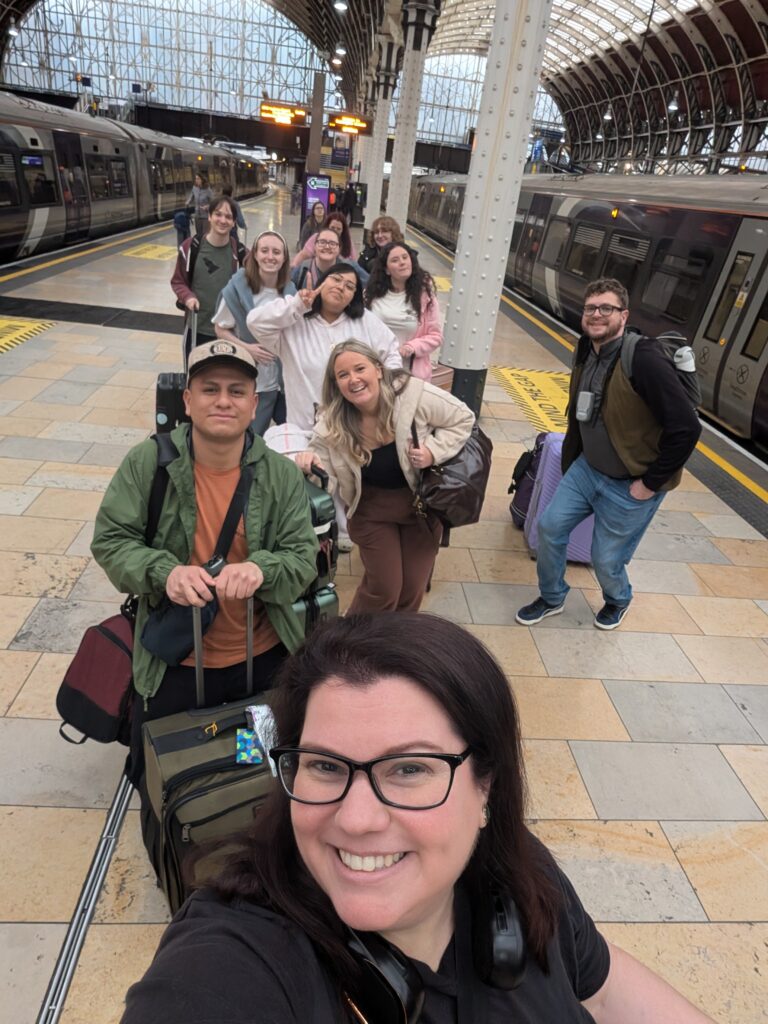
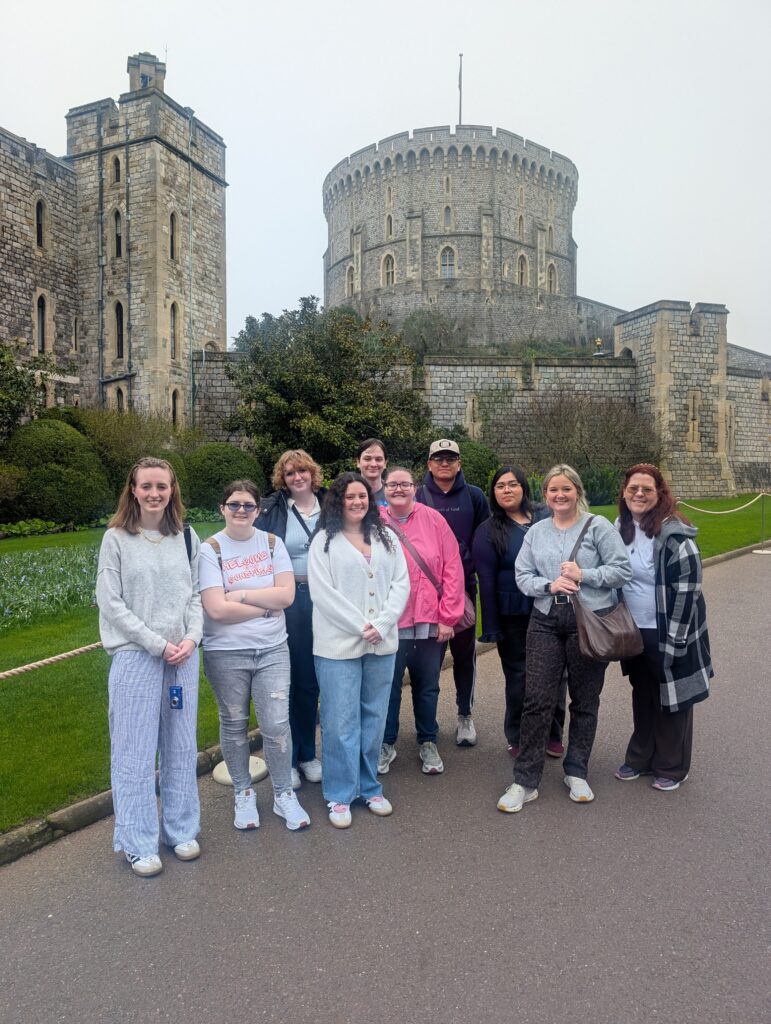
Travel has a way of stretching the mind and reshaping expectations. Experiences in Paris, France, and London, England, offered more than beautiful scenery and famous landmarks. They provided a deeper understanding of culture, relationships and the rhythm of daily life. Observing how people interact, how families spend time together and how communities value shared moments revealed meaningful lessons that extend far beyond the duration of a trip.
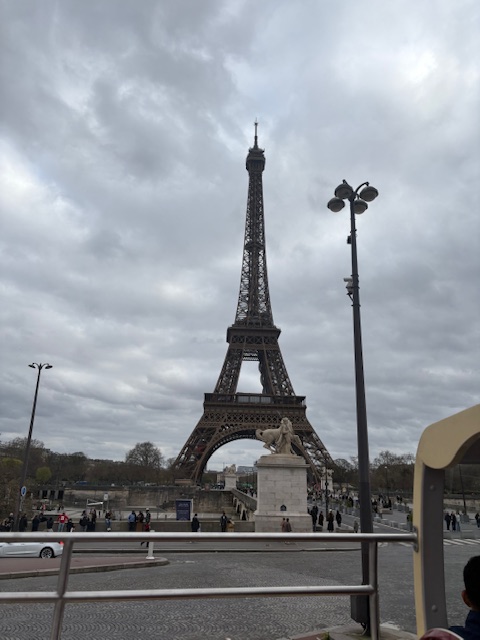
Paris presented itself as a city of elegance, history and quiet reflection. One of the most striking moments occurred high above the streets at the Eiffel Tower. From that vantage point, the full beauty of the city unfolded in every direction, including historic buildings, winding streets and the steady movement of people below. The view was magnificent, but what stood out most was the sense of peace that accompanied it. The city seemed to breathe more slowly, inviting visitors to pause and take in the surroundings. That moment created an appreciation not only for Paris’ architecture and design but also for the intentional way the city preserves its heritage.
Security around major landmarks was noticeable, with guards and safety measures clearly in place. Rather than creating discomfort, these precautions conveyed a strong commitment to protecting visitors and preserving cultural treasures. Many European cities have endured historical challenges, and the visible security presence reflected an understanding of responsibility toward both citizens and travelers. It also offered reassurance that safety and preservation are taken seriously in places that hold deep historical significance.
Beyond the landmarks, everyday life in Paris revealed a cultural emphasis on relationships and connection. Dining, in particular, carried a sense of purpose and meaning. Meals were not hurried or treated as a quick necessity. Instead, families and friends gathered around tables, engaged in conversation and shared laughter. Phones were rarely the center of attention. The focus remained on people rather than distractions. Restaurants and cafes felt like spaces for building relationships rather than simply places to eat. This approach to meals highlighted a cultural value that prioritizes presence, patience and genuine interaction.
Walking through neighborhoods also revealed how communities maintain a balance between tradition and modern life. Small bakeries, markets and local shops created a sense of familiarity and connection. Rather than relying solely on large supermarkets, many residents supported neighborhood businesses, strengthening the bonds within their communities. The result was an environment that felt personal and welcoming, even to those visiting from afar.
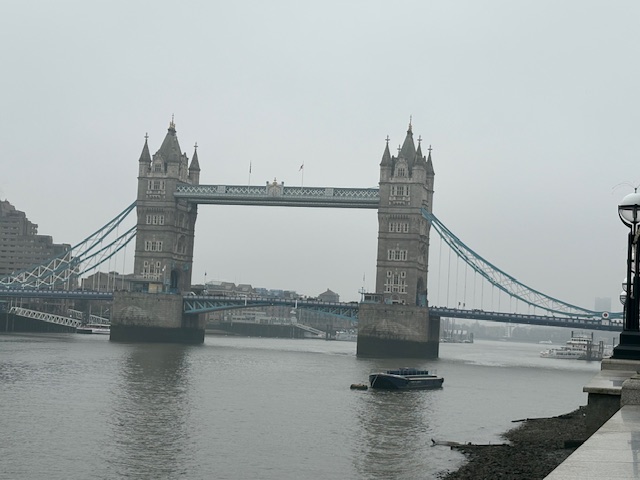
London offered a different but equally meaningful experience. Known for its long history and global influence, the city blended tradition with energy and diversity. Streets were filled with movement, including commuters heading to work, tourists exploring historic sites and families enjoying parks and public spaces. Despite the busy pace, an atmosphere of courtesy and respect was evident in everyday interactions.
One of the most surprising observations in London centered on the friendliness of the people. Stories and stereotypes sometimes suggest that residents of large cities can appear distant or reserved. However, the reality told a different story. When questions arose or directions were needed, assistance came quickly and willingly. Conversations were polite, respectful and often accompanied by a smile. These small gestures created a sense of welcome and hospitality that challenged preconceived notions and reinforced the importance of experiencing cultures firsthand rather than relying on assumptions.
Another meaningful observation involved children and families. Parks and public spaces were filled with young people exploring their surroundings, walking with parents and engaging in imaginative play. Instead of spending long periods focused on screens, many children were actively interacting with the world around them. The sight of families enjoying time outdoors reflected a lifestyle that encourages curiosity, independence and shared experiences. It also served as a reminder of the value of balance in an increasingly technology-driven society.
Public transportation in London demonstrated efficiency and organization. The Underground system allowed thousands of people to travel throughout the city with ease. Trains arrived on schedule, and passengers moved with confidence and familiarity. This reliance on public transportation highlighted a cultural difference from many parts of the United States, where driving is often the primary mode of travel. The system also reflected a commitment to accessibility and sustainability within urban life.
Across both cities, one consistent theme emerged: the importance of slowing down and being present. Whether sharing a meal in a Paris cafe or walking through a London park, people appeared intentional about spending time with one another. Conversations unfolded naturally, without constant interruptions from technology. Laughter echoed through restaurants and public spaces, and relationships remained at the center of daily routines.
These observations carried lessons that extend beyond travel. Exposure to different cultures encourages reflection on personal habits and societal norms. Witnessing the value placed on conversation, community and shared experiences invites reconsideration of how time is used and how relationships are nurtured. In fast-paced environments where schedules often dominate daily life, the European approach to connection offers a meaningful reminder that moments spent together hold lasting significance.
Travel also fosters empathy and understanding. Encountering people from different backgrounds reveals common values that transcend language and geography. Kindness, respect and hospitality appear in every culture, even when expressed differently. Recognizing these shared qualities strengthens the ability to communicate across cultural boundaries and appreciate the diversity that shapes the world.
Ultimately, experiences in Paris and London provided more than memories of famous landmarks or scenic views. They offered insight into the rhythms of life in other parts of the world and demonstrated how culture influences behavior, relationships, and community. The journey reinforced the idea that learning does not only occur in classrooms or books. Some of the most meaningful lessons emerge through observation, conversation, and reflection.
The cities of Paris and London continue to stand as reminders that beauty can be found in history, connection can be found in conversation, and growth can be found in stepping beyond familiar surroundings.